
Grade Details
Course Overview
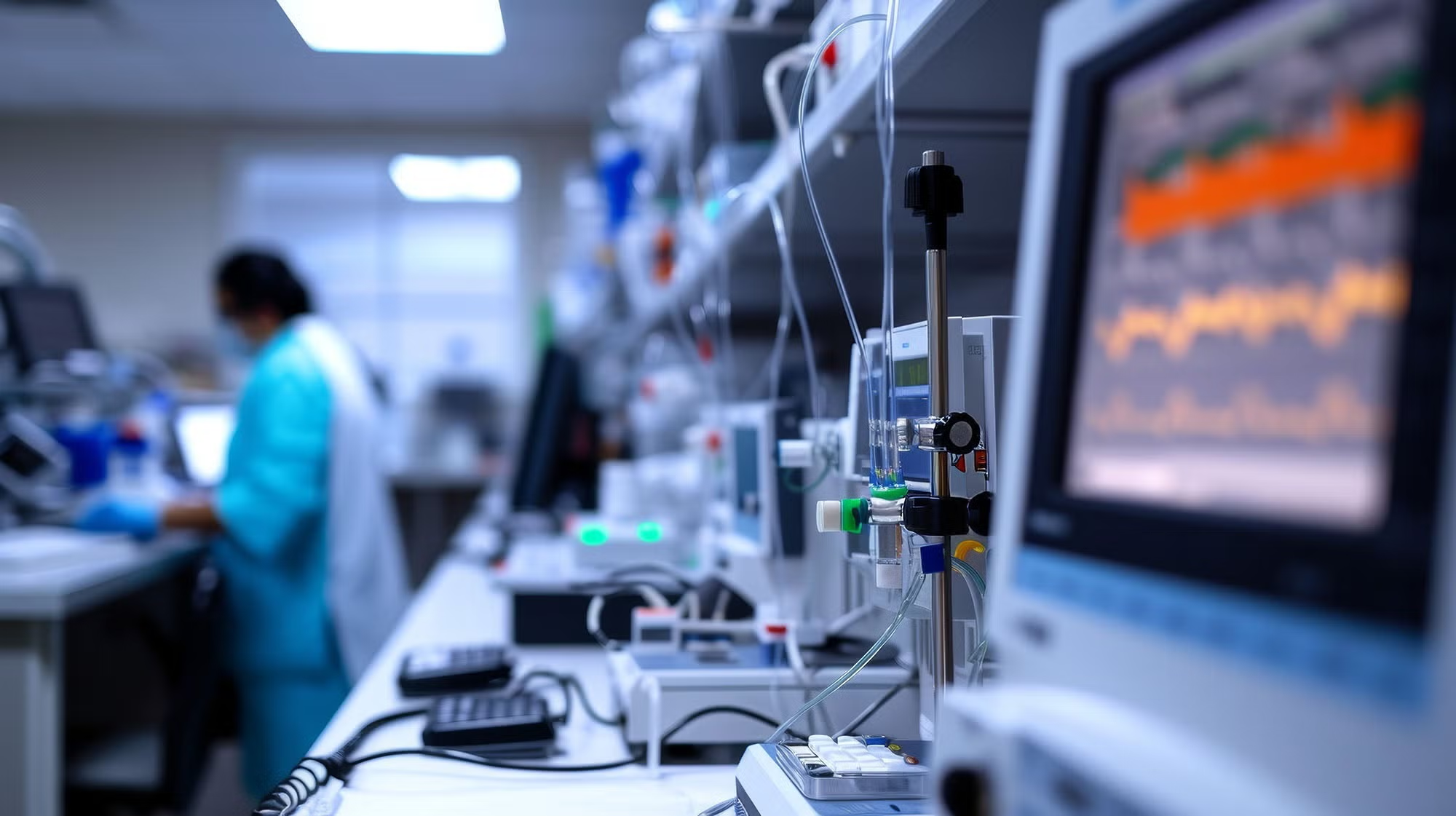
This programme integrates engineering principles with life sciences to develop technologies used in healthcare, diagnostics, and treatment systems. Students learn to design and maintain medical devices, imaging systems, and healthcare automation tools. The curriculum emphasizes laboratory work, interdisciplinary projects, and applied problem-solving. Exposure to bioinstrumentation and biomaterials ensures graduates can contribute to innovative healthcare solutions. Industry-relevant projects and research assignments cultivate technical competence and creativity.
What You Will Learn
Learners gain proficiency in biomedical instrumentation, sensors, medical imaging, and systems integration. Hands-on laboratory exercises strengthen device development skills. Collaborative projects foster problem-solving, critical thinking, and teamwork in designing healthcare technology. Students also explore regulatory and ethical considerations in biomedical applications.
Subjects Offered
- Biomedical Instrumentation
- Human Anatomy for Engineers
- Biomaterials and Biomechanics
- Medical Imaging Techniques
- Sensors and Actuators
Teaching Methodologies
Lectures, laboratory experiments, project-based learning, and case studies in healthcare technology. Workshops with biomedical industry professionals.
Curriculum Highlights
- Device Design and Testing Labs
- Healthcare Project Assignments
- Cross-disciplinary Innovation Workshops
Co-Curricular Activities
Biomedical clubs, health technology seminars, innovation challenges, and research paper presentations.
Career Opportunities
Roles include Biomedical Engineer, Clinical Equipment Specialist, Research Associate in medical device companies, and Healthcare Technology Consultant.





There are no reviews yet.