

Grade Details
Course Overview
The Electronics and Communication Engineering programme focuses on the design, development, and application of electronic circuits, communication technologies, and embedded systems that power modern electronic devices and telecommunications infrastructure. The programme provides a strong foundation in both theoretical concepts and practical engineering skills required to develop advanced electronic systems used in industries such as telecommunications, consumer electronics, automation, and networking. By integrating modern technologies and industry-oriented learning, the programme prepares students to design innovative electronic solutions for real-world challenges.
What You Will Learn
Students gain in-depth knowledge of electronic circuit design, analog and digital communication systems, embedded systems programming, and microcontroller-based system development. The programme also covers wireless communication technologies, signal processing techniques, and electronic system integration used in modern communication networks and smart devices. Through practical learning and project-based experiences, students develop the ability to design, analyze, and implement efficient electronic and communication systems.
Subjects Offered
The curriculum includes a wide range of core and advanced subjects that build strong technical expertise in electronics and communication engineering. Key subjects include Electronic Devices and Circuits, Microprocessors and Microcontrollers, Communication Systems, Digital Signal Processing, Analog and Digital Electronics, Embedded Systems, and Wireless Communication Technologies. These subjects provide both theoretical knowledge and hands-on technical skills required to understand modern electronic and communication systems.
Teaching Methodologies
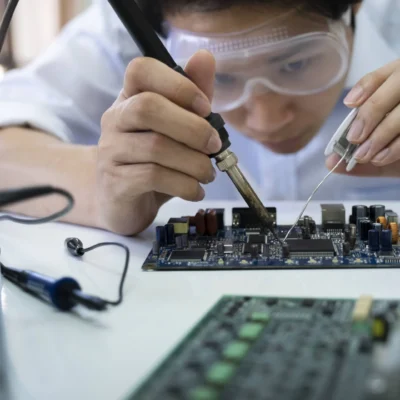
The programme uses a combination of theoretical instruction and practical training to ensure comprehensive learning. Students participate in electronics laboratory experiments, circuit design and simulation projects, embedded system development practices, and hands-on hardware implementation. Teaching methods also include technical seminars, guest lectures by industry professionals, and collaborative project work that encourages innovation and problem-solving.
Curriculum Highlights
Students gain practical exposure through advanced communication technology laboratories and hands-on embedded system development projects. The curriculum also emphasizes real-world learning through internships in telecommunications and electronics industries. A major component of the programme is the final year embedded systems or communication technology project, where students apply their knowledge to design and develop functional electronic systems that solve practical engineering problems.
Co-Curricular Activities
Students actively participate in various technical and innovation-oriented activities that enhance their practical skills and creativity. These activities include electronics innovation clubs, circuit design competitions, Internet of Things (IoT) workshops, and technical symposiums. Such events provide opportunities for students to collaborate, experiment with new technologies, and showcase their engineering capabilities.
Career Opportunities
Graduates of the Electronics and Communication Engineering programme have diverse career opportunities in industries related to electronics, telecommunications, and embedded technology. They can pursue roles such as Electronics Engineers, Communication Systems Engineers, Embedded Systems Developers, Network Engineers, and IoT Engineers. With strong technical foundations and practical experience, graduates are well prepared to work in technology companies, research organizations, and advanced electronics industries.





There are no reviews yet.